
Tips to Maintain Your Hyundai Car During Monsoon Season
Gallops Hyundai

Introduction
The monsoon season brings relief from sunny days. But it creates new challenges for car owners. New car owners get many questions about car maintenance on such rainy days. Heavy rains, waterlogged streets, and slippery roads test your driving skills.
Many drivers speed through water-filled roads without thinking twice. Others forget to check basic things during checkups. These simple oversights can turn a pleasant drive into a nightmare.
Smart monsoon car maintenance starts before the first rain. Your car’s safety depends on how well you prepare it. This guide covers practical tips every Hyundai owner should know each tip helps protect your car and keeps you safe.
Let’s make sure your first monsoon with your new car goes smoothly.
Tip 1: Avoid Speeding Through Flooded Roads
Rushing through water-filled roads feels tempting during heavy rains. But this habit can cost you thousands in repairs. Water can sneak into your engine bay within seconds. Your car’s electrical system becomes vulnerable to permanent damage.
Deep water poses the biggest threat to your Hyundai. If you can’t see the road surface clearly, don’t risk it. Turn around and find another route instead. Your safety matters more than saving a few minutes.
Shallow puddles need careful handling too. Drive at walking speed through them. Keep your engine running at steady RPMs. This prevents water from backing up into the exhaust pipe.
Watch for other cars creating big splashes ahead of you. Their water waves can flood your air intake suddenly. Maintain safe distance from vehicles moving through water.
Your car wasn’t built to be a boat. Treat water crossings with respect and patience.
Tip 2: Don't Use Cruise Control in Wet Conditions
Cruise control works great on dry highways. But wet roads change everything completely. Rain makes road surfaces slippery and unpredictable. Your tires lose grip without any warning signs.
When your car starts sliding, every second counts for recovery. Cruise control creates a dangerous delay in your response time. Wet patches appear suddenly on seemingly dry roads. Oil and dirt mix with rainwater creating slick spots. Your car might slide sideways before you realize what happened.
Keep your foot ready on the pedal during monsoon drives. Manual throttle control gives you instant power adjustments. You can feel the road better and react faster to changing conditions.
Smart drivers switch off cruise control the moment clouds gather. Take complete charge of your car when the weather turns challenging.
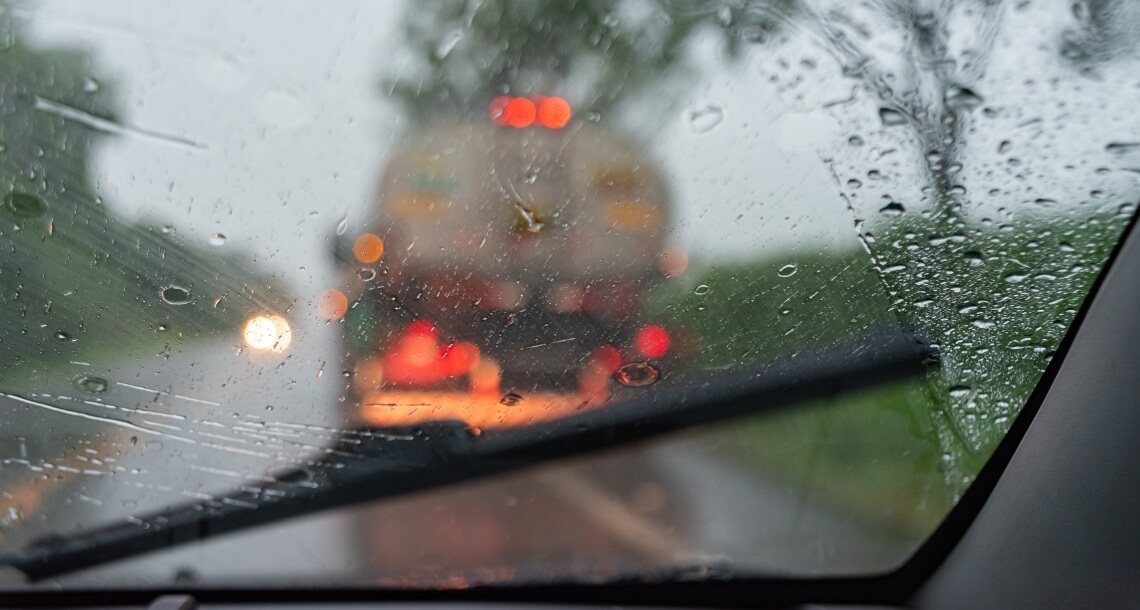
Tip 3: Check Wipers & Windshield Before It Rains
Parked cars develop a common problem during dry months. Wiper blades stick to the windshield after sitting motionless for weeks. The rubber hardens and loses its flexibility over time.
Test your wipers before the first monsoon shower arrives. Turn them on and watch for streaking or skipping patterns. Worn blades leave water marks that block your vision completely. Replace old wipers immediately if they show signs of cracking. Hard rubber blades scratch your windshield instead of cleaning it. New blades cost much less than windshield replacement later.
Clean your windshield thoroughly inside and out before each drive. Check your washer fluid reservoir regularly during monsoon season. Keep it filled with good quality cleaning solutions.
Tip 4: Inspect Lights, Indicators & Defogger
Poor visibility kills more drivers than engine problems during monsoons. Your headlights become your lifeline during rainy night driving. Test every light before the rainy season starts properly.
Check headlights, taillights, and turn indicators one by one. Faulty indicators confuse other drivers and cause accidents on wet roads. Your defogger system needs special attention during humid weather. Fog builds up inside your windshield within minutes of heavy rain. A working defogger clears this moisture quickly and safely.
Keep a clean, soft cloth in your car always just in case. Sometimes defoggers take time to warm up and work effectively. Remember, other drivers need to see you clearly too. Working lights protect everyone on the road during stormy weather.

Tip 5: Monitor Tyres, Grip, and Pressure
Your tires connect your car to the road surface. This connection becomes life-saving during slippery monsoon conditions. Worn tires lose grip and cause dangerous skids on wet roads. Proper air pressure matters more during the rainy season. Overinflated tires reduce the contact area with wet roads. Follow your Hyundai’s recommended pressure levels exactly as mentioned in the manual.
New tyres need breaking in time even during monsoons. Drive slower for the first 500 kilometers with fresh tires. The rubber compounds need time to adapt to road conditions properly. Good tires are your best insurance against monsoon accidents.
Tip 6: Get a Pre-Monsoon Service from Gallops Hyundai
Professional servicing beats DIY checks every single time. Gallops Hyundai in Ahmedabad specializes in preparing cars for monsoon challenges.
A comprehensive pre-monsoon service covers all critical systems together. Brake fluid, battery health, air filter condition, and cooling system performance get a thorough inspection. This prevents breakdowns during heavy rain when help is hard to find.
Gallops Hyundai uses genuine Hyundai parts for all replacements and repairs. Book your service appointment before the monsoon arrives in full force. Popular service slots fill up quickly during pre-monsoon weeks. Early servicing also gives you time to fix any issues discovered during inspection.
Conclusion
Simple monsoon preparation saves thousands in repair costs later. Your car will thank you for years of reliable service. Regular maintenance prevents small problems from becoming expensive disasters. Smart car owners invest in preventive care rather than emergency repairs. Professional servicing from trusted centers like Gallops Hyundai keeps your vehicle running smoothly through every season.