
Gallops Hyundai’s Best Tips to Prepare Your Car for the Monsoon
Gallops Hyundai
Introduction
Anticipating a smooth drive in Ahmedabad during the monsoon is a challenge. Monsoons are beneficial for reducing the hot weather, but alongside they bring waterlogged roads, damaged roads and lack of visibility. For car owners in Ahmedabad, where the rain can arrive suddenly and pour unpredictably, it’s important for them to prepare beforehand.
At Gallops Hyundai, we’ve helped thousands of customers gear up for every monsoon. From simple checks to smart precautions, these practical tips are based on real issues that owners with Hyundai cars in Ahmedabad face during the rainy season. It’s about getting the basics right to keep your car safe, your drive smooth, and your monsoon stress-free.
Let’s dive into the important areas to focus on.
1. Check and Replace Your Wiper Blades
Wipers are your car’s first line of defense in heavy rain. They often go unused for months, especially in hot, dry cities like Ahmedabad. Then the monsoon hits and suddenly, they matter more than anything else.Do these:
- Inspect your wiper blades’ rubber. You require a replacement if they streak, squeak, or jump across the glass.
- Don’t forget the rear wiper (if your car has one).
- Keep your windshield washer fluid filled with a mix that prevents fogging.
2. Inspect Tyres for Grip and Wear
Water reduces road grip. If your tyres are even slightly worn, braking and handling become risky.Check these:
- Tread depth – Use a one-rupee coin; if the tread doesn’t cover the word “₹1”, it’s too low.
- Cracks or uneven wear – These can lead to poor traction or even tyre bursts.
- Tyre pressure – Rain-cooled roads affect pressure. Check and maintain levels weekly.
3. Battery Check Is a Must
Humidity during monsoon affects battery terminals and life. Starting trouble during rain is usually linked to a weak or poorly connected battery.Do these:
- Inspect for corrosion on terminals. A white powdery deposit is a red flag.
- Get your battery tested if it’s over 3 years old.
- Make sure all the connections are tight and clean.
4. Confirm if Brakes Are Responsive
Wet roads mean longer braking distances. So your brakes must respond quickly and evenly.Check these:
- Listen if there’s any unusual squealing or grinding.
- Get the brake pads and discs inspected for wear.
- Test the brakes when you’re driving at a slow speed on a safe and empty road. They should respond instantly, without pulling to one side.
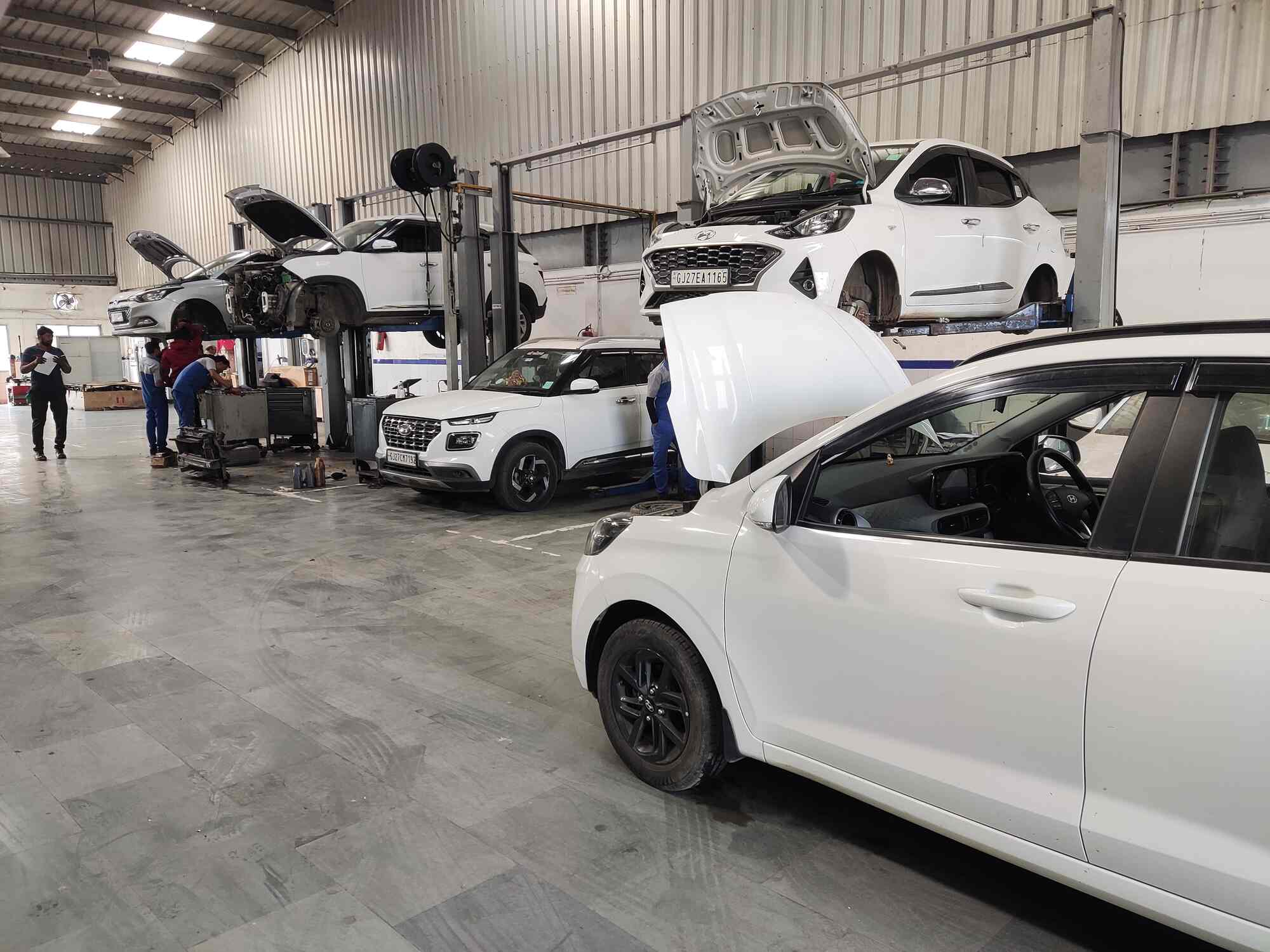
During monsoon service of Hyundai cars in Ahmedabad, Gallops Hyundai checks your braking system for signs of water damage, rust, or wear—especially important in flood-prone areas.
5. Protect Your Car’s Electrical Systems
Water and electronics don’t mix well. Yet, every monsoon, we get cars with electric windows or lighting issues caused by moisture.Protect these systems:
- Ensure all windows close tightly—no gaps.
- Get the underbody checked for exposed wiring.
- Cover any known weak points or leaks with help from service experts.
6. Keep Your Headlamps and Tail Lights Clear
Visibility is one of the biggest safety concerns during monsoon. Dim or fogged-up lights increase your risk drastically.Maintain these:
- Headlamps and taillights should be cleaned regularly.
- Replace weak bulbs. Opt for genuine Hyundai bulbs which maintain correct beam focus.
- Check for condensation inside the lights to see if water is getting in.
- Check if indicators, brake lights, and hazard lights are working well.
7. Check the Cabin Air Filter and AC
The rainy season often means closed windows and high humidity inside your car. A clogged air filter or non-functioning AC can make the cabin musty or cause fogging.Do these:
- Replace the cabin air filter if it hasn’t been changed in the last 6 months.
- Run the AC regularly on ‘Fresh Air’ mode to prevent fogging.
- Use the defogger in short bursts to clear the windshield without overcooling.
8. Don’t Skip Underbody Anti-Rust Coating
Monsoon water carries road salts and debris. This collects under your car and can cause rust—especially in older models.Do these:
- Ask for an underbody inspection.
- If you spot rust or feel rough patches under the car, get an anti-rust coating.
- This protects the car’s structure and resale value.
9. Carry a Monsoon Emergency Kit
Preparation isn’t just about the car—it’s also about you.Keep these in your trunk:
- A basic toolkit
- Torch with batteries
- Power bank for your phone
- Extra fuses
- Tow rope
- Umbrella/Raincoat
- Puncture repair kit
Many Hyundai models come with storage space below the trunk mat—use it for this kit.
Conclusion
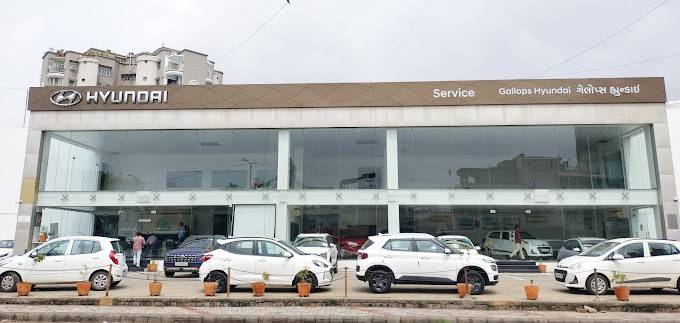
Rain can be joyful, but your car must be ready to handle it. No matter what you drive, every car in the rainy season demands a little extra attention.At Gallops Hyundai, we see a lot of drivers skipping these tests. Then they face issues that could have been avoided like flooded engines, dead batteries, malfunctioning electronics. We have service centers across Ahmedabad where you can easily schedule your appointment. Hyundai technicians we train use real parts and manufacturer-recommended techniques so your car will stay monsoon-ready. Keep your car at a high performance with a series of simple steps and a visit at our service centers.Book a monsoon check-up with Gallops Hyundai at 7211110962 or 9374611001 today to rain-proof your Hyundai and drive with peace of mind.