
Why EVs and CNG Cars Make Sense Today: Smart Choices for Smart Drivers
Gallops Hyundai
Introduction
Car buying decisions have never been this complex. Petrol prices touch ₹100 per litre in
many cities. Traffic jams eat up your time and fuel money. Many buyers stick to petrol
cars, thinking they’re the cheapest option.Even though they want to know EVs or CNG, they think the upfront cost is not worth it in
the long run. This thinking needs a reality check. New car buyers consider buying a car
that has lower running costs, fuel efficiency, and long-term savings. EVs and CNG
vehicles might cost more upfront, but save thousands yearly.Let’s break down common myths about alternative fuel cars. We’ll show you why EVs
and CNG make perfect sense today.
Myth 1: Petrol Cars Are Always Cheaper
Yes, petrol cars cost less when you buy them. Walk into any showroom and you’ll see
the price difference immediately. But here’s what dealers won’t tell you upfront.Your monthly fuel bill tells a different story; filling up a 40-litre tank costs ₹4,000. That
costs almost 50,000 yearly just on fuel. Add regular servicing costs, and the “cheaper”
petrol car becomes expensive fast.
Fuel prices keep rising every few months. Petrol cars may seem affordable initially, but
they drain your wallet over time.
Myth 2: CNG Cars Are Weak and Cramped
This outdated thinking stops many buyers from considering CNG vehicles. Modern CNG
technology has changed completely in recent years.
Take the Grand i10 Nios CNG or Hyundai Exter CNG. These cars pack enough power
for city driving and highway trips. The engines feel responsive and smooth, nothing like
the sluggish CNG cars from a decade ago. Boot space was a genuine concern before.
Car makers solved this smartly. They now use dual-cylinder tank systems that fit better.
Your luggage space stays nearly the same as petrol variants.The mileage numbers speak for themselves. CNG cars deliver 25-30 km per kg while
costing just ₹80-90 per kg. Your running costs drop by 50% compared to petrol.

Myth 3: EVs Don’t Work in India
Range anxiety used to be a real problem for electric car buyers. “What if I get stuck
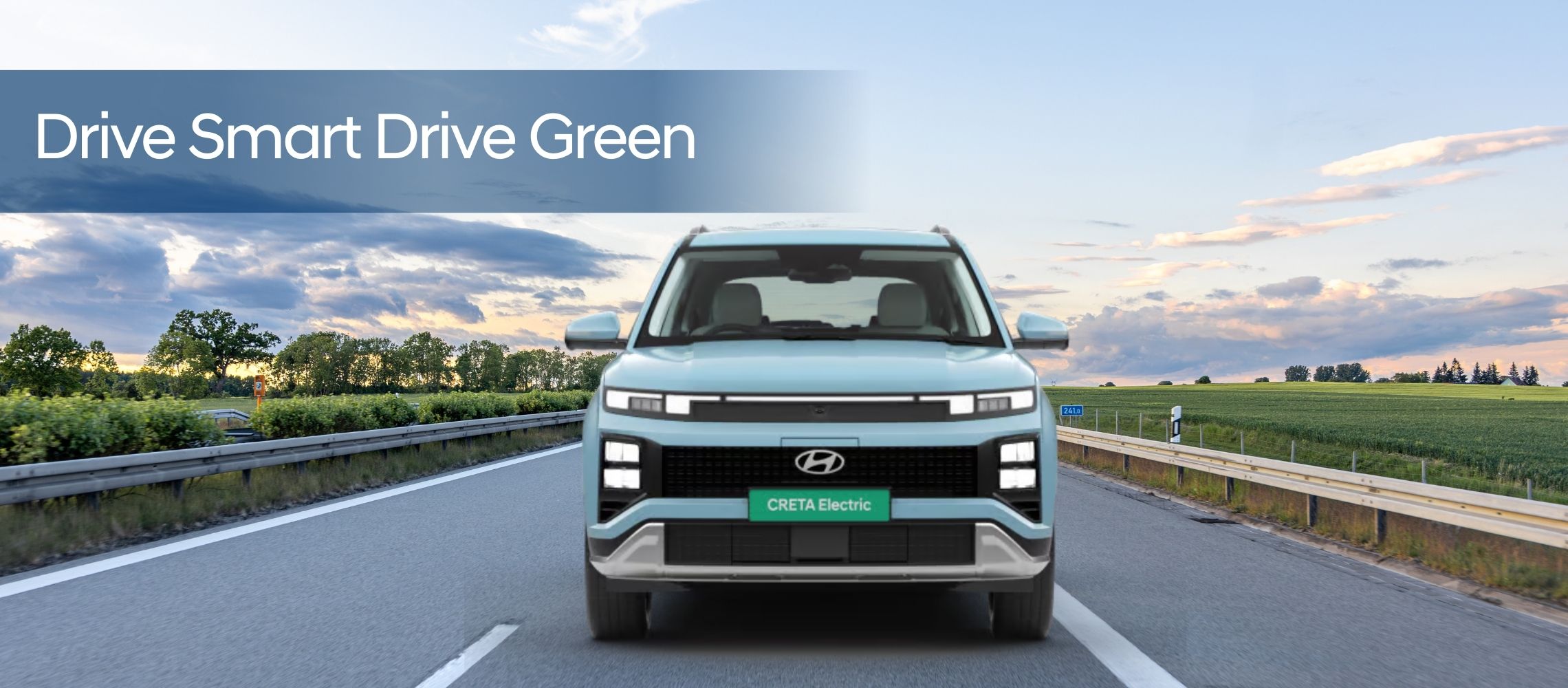
somewhere?” was the common fear. Those days are ending quickly.Look at the Hyundai Creta EV. It offers a 473 km range on a single charge. That’s
enough to drive from Mumbai to Pune and back without stopping. Most daily commutes
need just 50-100 km range.Charging speed has improved dramatically too. The Creta EV charges from 10% to
80% in just 58 minutes using DC fast charging. AC charging takes 4 hours 50 minutes
for a full charge overnight.Hyundai is building charging stations across India. Finding a charging point won’t be a
headache anymore. EVs work perfectly for both city commutes and weekend getaways.
Why EVs and CNG Are Smart Today
Both options save serious money compared to petrol cars. Your monthly fuel budget
shrinks by thousands of rupees immediately. CNG serves as the practical middle
ground. Lower upfront cost than EVs, but much cheaper running costs than petrol. It
bridges the gap perfectly for budget-conscious familiesEVs represent the future of driving. Zero emissions, silent operation, and almost free
running costs. Perfect for new buyers who drive.
Gallops Hyundai: Trusted Car Solutions
If you are planning to buy a car, whether it’s a CNG or an EV. Gallops Hyundai, the
authorised showroom in Ahmedabad, is the right choice for you. Come here, take a test
drive to know more about the car.
Conclusion
Switching from CNG or EV is not just about saving money, but also about making
smarter choices. Visit Gallops Hyundai today to experience these alternatives firsthand
and drive home with confidence